
Warning Signs Your Parent’s Nursing Home Is Understaffed

Families trust that if they put a parent in a nursing home, there will be enough staff to care for them properly. Sadly, that isn’t always true. Short staffing in nursing homes can lead to missed care, avoidable injuries, and a reduced quality of life for residents. If you are concerned about the care your parent is receiving, a California nursing home negligence attorney can help you understand your legal options.
Why is understaffing a serious problem?
Many residents in care homes need help with everyday activities such as washing, dressing, and moving around. Many also need help with managing their medication as well as ongoing medical supervision.
There may not be enough carers on duty, and staff may struggle to meet residents’ needs. When care homes are overcrowded, employees can easily be overworked, leading to the delay or oversight of important tasks.
Short staffing can be the driving force behind otherwise preventable falls, bedsores, infections, medication errors, and other issues. It can also make the community feel isolated and uncared for.
What signs may suggest a nursing home is understaffed?
One of the most common warning signs is a slow response time. If your parent says it’s “normal” to wait a long time for help after pressing a call button, staffing shortages may well be the culprit.
You may also see residents who look unkempt or are wearing dirty clothes. Poor hygiene is sometimes a sign that carers don’t have enough time to give each resident the attention they need.
Another red flag is when a facility appears to be chaotic or disorganised. Staff may seem hurried, stressed, or be unable to answer basic questions about your parent’s care. High staff turnover rates may also indicate that a facility has staffing issues.
Can understaffing affect your parent’s health?
Yes, absolutely. If residents aren’t seen in a timely fashion, it can affect their health. Missing medication, not getting prompt medical care, and a lack of oversight can all impact resident health.
People who have to sit in the same position for long periods of time and need help to get around can develop bedsores. If there isn’t enough time for staff to oversee meals and fluid intake, residents can become dehydrated or malnourished.
Short-staffing can also be emotionally fraught. Withdrawal, depression, or anxiety can develop in residents who don’t receive enough contact and support from carers.
When can understaffing lead to a negligence claim?
Understaffing, in and of itself, does not create legal liability. However, a nursing home may be liable if inadequate staffing leads to injuries or other harm.
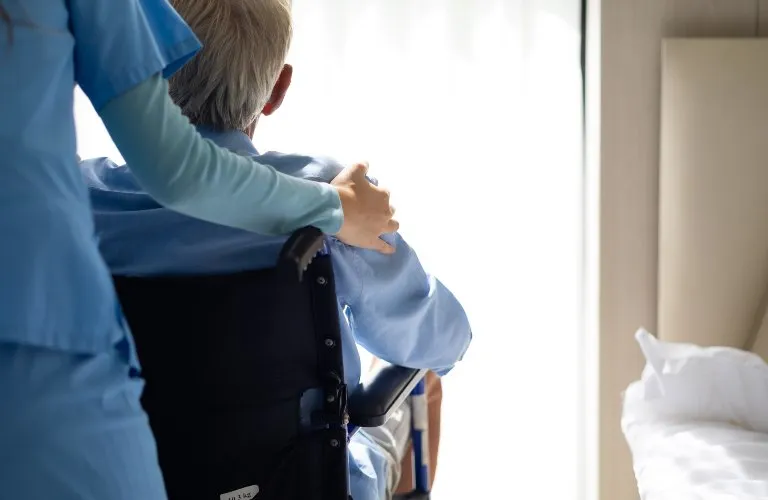
For example, a facility can be held liable if a resident develops preventable bedsores, falls, or other injuries because staff failed to provide proper care. Every situation is case-specific and wholly dependent on the circumstances.
A California nursing home negligence attorney can determine whether or not understaffing contributed to your parent’s injuries or if the nursing home breached its legal duties.
How can a lawyer help?
Nursing home neglect cases typically include a review of medical records, facility policies, and staffing practices. An attorney can gather evidence and determine if the facility’s actions played a part in the harm done to a resident.
If your parent was injured because their care home failed to provide adequate care, the law can help you bring the responsible party to book.
The Law Offices of David M. Jamieson assists families in protecting their loved ones and obtaining justice when nursing homes fall short of accepted standards of care. For more information regarding your legal rights, fill out the contact form on our website or call on (209) 521-1269 to speak with a California nursing home negligence attorney.